
Home Inspection Red Flags Charleston Buyers Should Never Ignore
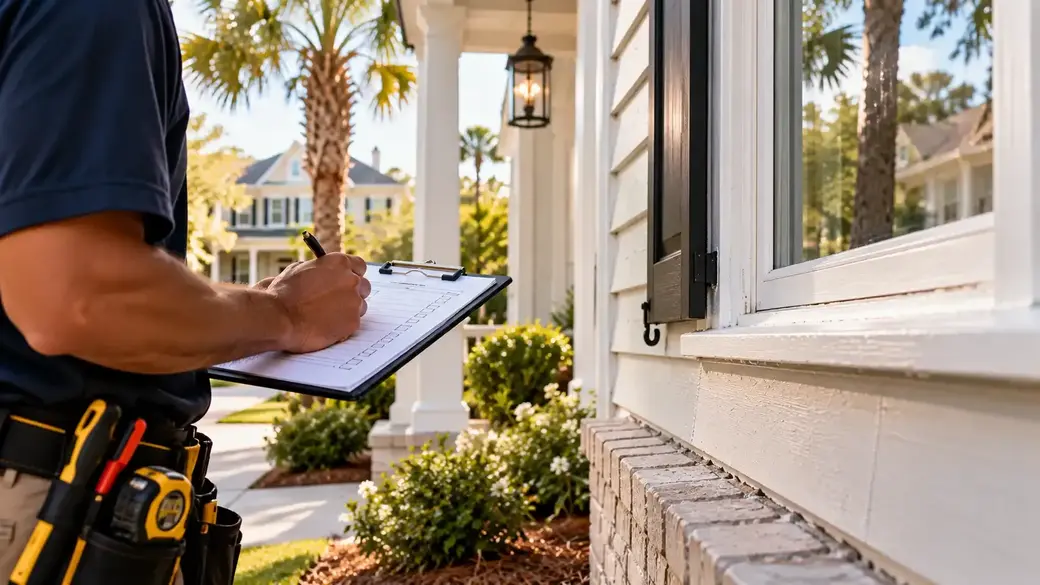
A beautiful kitchen can be updated. A paint color can be changed. The problems that deserve more attention are usually the ones behind the walls, under the house, above the ceiling, or connected to the home's major systems. In Charleston, where buyers may be comparing newer construction with older homes and properties exposed to a humid coastal climate, a thorough inspection can help you understand what you are actually buying before you move forward.
1. Moisture Where It Should Not Be
Water is one of the first things I pay attention to during a Charleston-area inspection. Staining, musty odors, soft materials, visible growth, damaged trim, or moisture readings can point to a leak, drainage problem, condensation issue, or past water intrusion.
The important question is not only whether something looks dry today. Buyers should understand the source, whether it has been corrected, and whether hidden damage may remain.
2. Foundation, Crawl Space, or Structural Concerns
Cracks are not all equal, and an inspector can help identify when movement, uneven floors, damaged supports, moisture in a crawl space, or other conditions deserve further evaluation.
If an inspector recommends a structural engineer or another specialist, that is not a recommendation I would ignore simply because the house otherwise looks well maintained. Major structural repairs can be very different from routine cosmetic work.
3. Roof Age, Active Leaks, and Poor Repairs
A roof can look fine from the driveway while still showing aging, damaged flashing, missing materials, previous patchwork, or signs of leakage in the attic. Ask about the roof's approximate age, visible condition, and any evidence of prior repairs.
Roof condition can also affect insurance availability or cost, so buyers should coordinate questions with both the inspector and their insurance professional rather than treating the roof as an inspection issue only.
4. Electrical Problems That Need Professional Attention
Older or modified homes can contain electrical work completed at different times. An inspection may identify exposed wiring, improper connections, damaged components, missing protection, overloaded conditions, or panels and equipment that deserve evaluation by a licensed electrician.
Electrical findings should be taken seriously because the issue may be larger than the single outlet or fixture where the problem first appears.
5. Plumbing Leaks, Drainage Problems, and Aging Components
Look beyond whether the faucets turn on. Inspectors may find active leaks, slow drainage, water pressure concerns, corrosion, damaged fixtures, or signs that plumbing components are reaching the end of their useful life.
For older properties, buyers may also choose additional evaluations when the inspector recommends them, especially when parts of the plumbing system cannot be fully evaluated during a standard visual inspection.
6. HVAC Problems and Signs of Deferred Maintenance
Charleston summers make heating and cooling performance especially important. An aging system is not automatically a reason to walk away, but buyers should understand its condition, maintenance history when available, and whether the inspection identifies performance or safety concerns.
A system that is functioning on inspection day can still be near the end of its expected service life, which matters when you are planning your first few years of ownership.
7. Termites, Wood Damage, and Other Pest Evidence
Wood-destroying organisms deserve attention in a warm, humid climate. Visible damage, shelter tubes, moisture-damaged wood, or prior treatment evidence can justify a closer look by a qualified pest professional.
The goal is to understand whether there is active activity, previous damage, treatment history, and any repairs that may be needed.
What Is a Red Flag vs. a Normal Repair?
|
Finding |
Usually Needs |
Why It Matters |
|
Minor cosmetic wear |
Maintenance planning |
Often expected in an occupied or older home |
|
Small maintenance items |
Repair list / future budget |
Useful to know but not always a major concern |
|
Active moisture or leaks |
Source identified and evaluated |
Can lead to hidden damage if unresolved |
|
Structural concern |
Qualified specialist evaluation |
May involve significant repair scope |
|
Electrical safety issue |
Licensed electrician when recommended |
Can affect safety and repair cost |
|
Roof / HVAC near end of life |
Condition and replacement planning |
Can become a major near-term expense |
|
Pest or wood damage |
Qualified pest or repair evaluation |
Extent and activity need to be understood |
The Seller Disclosure Is Not a Replacement for an Inspection
South Carolina's residential property disclosure rules are important, but the state's disclosure form specifically warns buyers that the disclosure is not a warranty and is not a substitute for inspections. Buyers remain responsible for obtaining inspection reports from licensed home inspectors and other qualified professionals when needed.
That distinction matters. A seller can disclose what they know, while an inspector evaluates the property's visible condition. When a concern falls outside the inspector's scope, the next step may be an electrician, plumber, structural engineer, roofer, HVAC contractor, pest professional, or another specialist.
What I Tell Charleston Buyers After the Inspection
Do not measure the seriousness of an inspection by the number of pages in the report. A long report can contain dozens of small maintenance items, while a shorter report can identify one or two expensive concerns that deserve much more attention.
I focus on understanding the major systems, safety concerns, water or structural issues, and anything that could materially change the cost or comfort of owning the home. From there, the contract, inspection findings, specialist opinions, and your own priorities determine the next step.
Buying a Home in Charleston?
I can help you look beyond the finishes and understand the questions worth asking before you commit to a property. From the offer through inspections and closing, my goal is to help you make a more informed decision. Book a free consultation and let's talk about your Charleston home search.
Frequently Asked Questions
Should I get a home inspection even if the house looks renovated?
Yes. New finishes do not show the condition of every major system or hidden area. A professional inspection can identify issues that may not be obvious during a showing.
Does a seller disclosure replace a home inspection in South Carolina?
No. South Carolina's disclosure form states that it is not a warranty and is not a substitute for obtaining inspections. Buyers are responsible for deciding which inspections and specialist evaluations they need.
What happens if the inspector finds a major problem?
The next step depends on the purchase contract and the issue. You may need more information from a qualified specialist before deciding how to proceed. Your real estate agent, attorney, lender, and relevant professionals can help you understand the options that apply to your transaction.
Categories
Recent Posts