
How Much Are Closing Costs for Buyers in South Carolina?
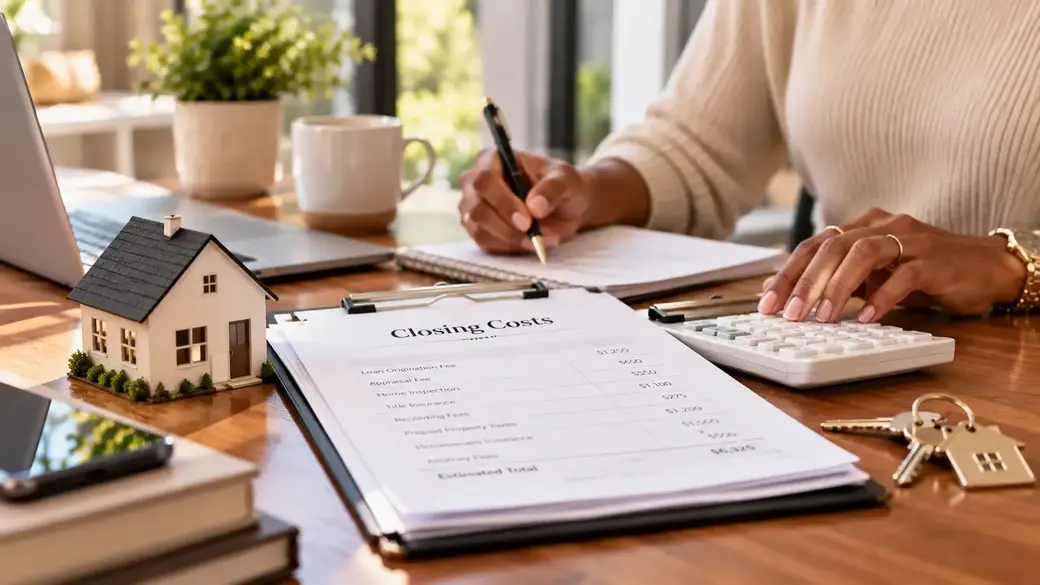
The down payment is not the only cash a South Carolina buyer needs to plan for. Closing costs can include lender charges, attorney and title-related fees, prepaid taxes and insurance, inspections, and other expenses tied to the property and the loan. The exact total varies from one purchase to another, so I tell buyers to budget for closing costs early instead of waiting until they are already under contract.
What Counts as a Buyer Closing Cost?
Closing costs are the expenses required to complete the purchase beyond the home's purchase price and down payment. Some are connected to the mortgage, some are connected to the legal and title work, and others are prepaid expenses that fund items such as homeowners insurance, property taxes, or escrow reserves.
If you are financing the home, your lender will provide disclosures showing estimated loan and closing charges. Those estimates become much more useful when you compare them with the other cash you may need for inspections, deposits, moving, and immediate home expenses.
Common Closing Costs South Carolina Buyers May See
- Loan origination, underwriting, processing, or other lender charges, depending on the mortgage
- Appraisal and credit-related charges required by the lender
- Attorney, title examination, document preparation, recording, and other closing-related charges
- Title insurance, depending on the transaction and coverage selected or required
- Homeowners insurance premiums and initial escrow funding when applicable
- Prepaid interest from closing through the start of the first full mortgage period
- Property tax and other prorations or adjustments
- Home inspection, specialized inspections, survey, or other due diligence expenses when selected or required
South Carolina Closings Have an Attorney Component
South Carolina treats important phases of a real estate closing as the practice of law. A licensed South Carolina attorney is responsible for supervising the legal aspects of the transaction, including work connected with the closing and recording of legal documents.
That means attorney-related charges are a normal part of many South Carolina transactions. The amount can vary by firm, property, financing, and the work required.
A Sample Way to Think About Your Cash to Close
|
Cash Item |
What It Covers |
When to Plan for It |
|
Down payment |
Your upfront equity in the home |
Before making an offer and finalizing financing |
|
Closing costs |
Loan, attorney, title, recording, prepaid and related charges |
Estimate before the offer, confirm before closing |
|
Earnest money / deposit |
Contract deposit that may be credited according to the contract |
When required by the purchase agreement |
|
Inspections |
General and any specialized property inspections |
During the contract's inspection or due diligence period |
|
Post-closing reserve |
Moving, repairs, utilities and early ownership expenses |
Keep separate from cash needed to close |
What Can Make Closing Costs Higher or Lower?
Your loan program is one of the biggest variables. The lender, interest-rate structure, insurance requirements, escrow setup, property type, taxes, and optional services can all change the final number.
Timing matters too. Prepaid interest depends partly on when you close, while insurance and escrow requirements can differ from buyer to buyer. This is why a generic online percentage should be treated as a planning estimate, not a quote for your transaction.
Can the Seller Pay Some of My Closing Costs?
Sometimes. A buyer can negotiate for a seller contribution toward eligible closing costs, subject to the purchase contract and any limits imposed by the buyer's loan program. Whether that strategy makes sense depends on the offer, the market, the property, and the financing.
I like to look at the entire offer rather than focusing only on price. For a buyer who needs to preserve cash, a negotiated closing-cost contribution can sometimes be more useful than a small price reduction, but the lender and closing attorney should confirm what is permitted in the specific transaction.
How to Avoid a Closing-Day Cash Surprise
Before making an offer, ask your lender for a realistic estimate of your total cash requirement, not just the down payment. Once you are under contract, review updated figures as the lender, attorney, insurance provider, and other parties finalize their charges.
I also recommend keeping money available beyond the exact estimated cash to close. Moving expenses, repairs, utility deposits, furniture, and the first few weeks of homeownership can arrive quickly after closing.
Planning to Buy a Home in South Carolina?
I can help you understand the full homebuying picture before you start touring homes, including the questions to ask your lender and closing attorney so you can plan your budget with fewer surprises. Book a free consultation and let's talk about your price range and next steps.
Frequently Asked Questions
How much should I budget for closing costs in South Carolina?
There is no single amount that applies to every buyer. Your loan, lender, attorney, insurance, property taxes, prepaid items, property type, and negotiated credits can all affect the total. Ask your lender and closing attorney for transaction-specific estimates.
Does my down payment include closing costs?
No. Your down payment and closing costs are separate parts of the cash you may need to complete the purchase, although deposits and certain credits may be applied according to the transaction.
Do I need a closing attorney in South Carolina?
South Carolina requires licensed attorney supervision of the legal aspects of real estate closings. Your specific attorney can explain their role, fees, and the documents involved in your transaction.
Categories
Recent Posts