
Flood Insurance in Charleston SC: What Buyers Must Know
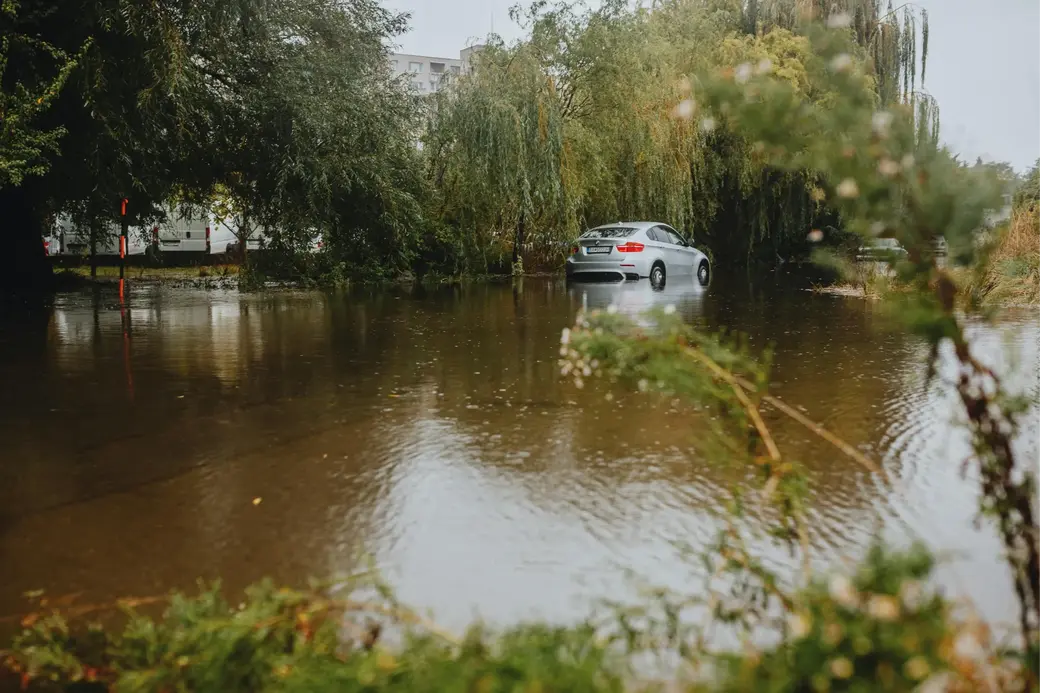
If you are buying a home in Charleston, South Carolina, flood insurance is something you need to understand before you close, not after. Standard homeowners insurance policies do not cover flood damage, which means if your home takes on water from a storm surge, tidal flooding, or prolonged heavy rain, you would be responsible for every dollar of repairs out of pocket. In the Charleston Lowcountry, where coastal geography, tidal waterways, and Atlantic storm systems are simply part of life, knowing your home's flood zone and what insurance will cost can completely change what you can actually afford to own.
What flood insurance covers
Flood insurance is a separate, standalone policy from your homeowners insurance. It specifically covers damage caused by water entering your home from the outside, including storm surge, overflowing waterways, and flooding from heavy rainfall.
There are two components to most flood policies:
- Building coverage protects the structure of your home, including the foundation, walls, floors, electrical and plumbing systems, HVAC, and built-in appliances.
- Contents coverage protects personal belongings inside the home such as furniture, electronics, and clothing. This is typically a separate add-on and is not automatic.
What flood insurance does not cover is just as important. It generally does not pay for temporary housing if you are displaced, mold damage that built up over time, or structures outside the main building like detached garages, fences, or landscaping.
Who provides flood insurance in South Carolina
Most flood coverage in the Charleston area is issued through the National Flood Insurance Program (NFIP), a federal program administered by FEMA and sold through local insurance agents. The NFIP sets standardized rates based on your property's flood zone and the elevation of the structure relative to the base flood elevation.
Private flood insurance is also available and growing. Some private carriers offer higher coverage limits, more flexible terms, and in certain cases lower premiums than the NFIP. Your lender will specify which policy types they accept, so confirm that before you shop and compare.
How much does flood insurance cost in Charleston SC
Cost varies significantly based on flood zone, how high the home sits relative to the base flood elevation, construction type, and the amount of coverage you select. According to FEMA's FloodSmart program, general planning ranges in the Charleston market are:
- Zone X (low risk): approximately $500 to $900 per year for most properties
- Zone AE (moderate to high risk): commonly $900 to $2,500 per year depending on elevation
- Zone VE (high-risk coastal): often $3,000 to $5,000 or more annually for properties in wave action zones
These are planning figures. The only accurate number comes from an actual quote tied to the specific property address and, where available, an elevation certificate.
One detail that catches buyers off guard: FEMA updated its pricing methodology in 2021 through a program called Risk Rating 2.0. The new system prices policies based on individual property data rather than broad zone averages. That means the premium the current homeowner is paying may look very different from what a new policy will cost you. Always get a fresh quote rather than assuming you can take over the existing rate.
What I see happen most often with buyers
I have had buyers come to me excited about a home, only to find out close to their offer deadline that the flood insurance estimate was going to add $350 to $400 a month to their total housing cost. That changes everything. It is not just a budget problem, it affects what loan they qualify for. Now I make it a standard part of my buyer process to pull the FEMA flood zone and get a ballpark insurance quote before my clients go to a second showing on any property. It has saved a lot of people from making a decision they could not sustain long-term.
Understanding Charleston flood zones
Every home in the Charleston area sits in a FEMA-designated flood zone. That designation determines the level of flood risk for the property and whether your lender will require flood insurance as a condition of the loan. The three zones you will encounter most often in this market are:
- Zone X: Low-risk areas outside the 100-year floodplain. Lenders do not typically require flood insurance here, though many Lowcountry buyers carry it voluntarily given the region's exposure to major storms.
- Zone AE: Moderate to high risk. These are properties within the 100-year floodplain where a base flood elevation has been established. Lenders require flood insurance for Zone AE properties. This designation is common near tidal creeks, rivers, and low-lying neighborhoods in Charleston, North Charleston, and parts of Summerville and Goose Creek.
- Zone VE: High-risk coastal areas subject to storm surge and wave action in addition to flooding. VE zones carry the highest insurance requirements and premiums and appear along the Charleston peninsula waterfront, Sullivan's Island, Isle of Palms, and Folly Beach.
You can look up the official flood zone for any property for free using FEMA's Flood Map Service Center. Enter the property address and the current Flood Insurance Rate Map will show you the designation. This is a step I walk every buyer through before they get serious about a listing, not after.
Why the flood zone matters beyond the insurance premium
Flood zone designation shapes more than your monthly bill. It affects how lenders underwrite your loan, the size of the buyer pool when you eventually sell, and the true total cost of ownership over time. A home listed at $340,000 in a Zone AE area with a $300 monthly flood insurance requirement has a meaningfully different financial profile than a similarly priced home in Zone X. Buyers who run those numbers upfront negotiate from a position of information rather than guesswork.
Flood risk in Summerville, North Charleston, and Goose Creek
One reason many buyers are drawn to inland communities like Summerville, Goose Creek, and Ladson is that much of the housing stock in these markets sits in Zone X, where flood insurance is not required and voluntary coverage costs considerably less. That is a real financial advantage, and it is something I factor into conversations when helping clients compare markets across the Lowcountry.
That said, not every home in these areas is Zone X. Properties near rivers, drainage corridors, or low-lying sections of Summerville and North Charleston can still carry AE designations, and both areas have experienced significant flooding during major storm events. Flood zone must always be confirmed for the specific address, not assumed by city or zip code.
Questions to ask before you make an offer
Buyers who ask these questions before going under contract avoid the most common and costly flood insurance surprises:
- What is the FEMA flood zone designation for this specific address?
- Does the property have a current elevation certificate, and what does it show?
- What is the current flood insurance premium, and was it set under Risk Rating 2.0?
- Has the property ever had an NFIP flood claim filed?
- Are there pending FEMA flood map revisions for this area?
Families who skip these questions sometimes find out at closing, or worse after moving in, that their true monthly payment is hundreds of dollars more than what they budgeted. The information is publicly available and straightforward to pull with the right guidance from your agent.
Flood insurance in Charleston SC is part of buying smart
Flood insurance in Charleston, SC is part of the real cost of buying in the Lowcountry. The buyers who go in prepared make better decisions, negotiate stronger offers, and avoid the surprise of a payment that no longer fits their budget. Know the flood zone, get a real quote, and build the insurance cost into your numbers before you fall in love with a listing.
If you are ready to buy a home in Charleston, Summerville, Goose Creek, or anywhere in the Lowcountry and want an agent who walks you through every one of these details before you ever make an offer, reach out to Alicia Brown. Book a free consultation or call directly at 843-345-5204.
Frequently asked questions
Is flood insurance required for every home in Charleston SC?
No. Flood insurance is required by lenders for properties in FEMA high-risk flood zones, primarily AE and VE. Homes in Zone X are not typically required to carry it, but many buyers in the Charleston area choose to carry voluntary coverage given the region's exposure to tropical storms and tidal flooding. Your lender will confirm the requirement based on the specific property address and zone designation.
How do I find out what flood zone a home I am considering is in?
You can look up any property's flood zone for free at FEMA's Flood Map Service Center at msc.fema.gov. Enter the address and the official Flood Insurance Rate Map will show the current zone designation. Your buyer's agent should be pulling this as a standard research step before you make any offer.
How much will flood insurance add to my monthly payment?
If your lender requires flood insurance, the annual premium is typically escrowed and divided across your 12 monthly mortgage payments alongside homeowners insurance and property taxes. Depending on your flood zone and coverage amount, this can add $50 to $400 or more per month to your total housing cost. Getting an actual quote tied to the specific property address before making an offer is the only way to budget accurately.
Categories
Recent Posts