
Cost of Living in Charleston (2025): Is It Worth to Move?

Charleston, South Carolina, is often described as a city where history, coastal charm, and modern living meet in perfect balance. With its pastel-colored houses, award-winning restaurants, and strong sense of community, it’s easy to see why so many people dream of calling Charleston home.
But beyond its undeniable charm lies a practical question for anyone considering a move: “What’s the real cost of living in Charleston and is it worth it?”
Let’s break down what it costs to live, work, and play in the Holy City, and whether the lifestyle justifies the price tag.
1. Housing: Charleston’s Most Influential Expense
Housing remains the biggest factor in Charleston’s cost of living.
- According to Realtor.com, the median listing home price in Charleston in 2025 is about $675,000, with a listing price per square foot of roughly $366.
- In contrast, many earlier estimations used ~$625,000 as a benchmark — but the more recent Realtor data suggests the market’s remained higher than that.
- In Charleston County overall, the median listing price is slightly higher, around $702,500, at $395/sq ft.
The market is showing signs of cooling: active listings surged ~36% year-over-year, and home value growth has slowed to about 1% annually, per Reventure App, indicating easing demand and more inventory for buyers.
Neighborhood context:
- Downtown Charleston often sees listings in the $900,000+ range, with per-square-foot costs well above the metropolitan average.
- Mount Pleasant, James Island, and West Ashley tend to offer more moderate entry points, though still above many U.S. averages.
💡 Tip: Renting first can help you sample different neighborhoods before committing — especially given the wide variability across Charleston’s neighborhoods.
2. Utilities, Groceries, and Food
Everyday expenses in Charleston are moderate compared to other coastal cities like Miami or Los Angeles, but still slightly higher than the U.S. average due to its popularity and location.
One of the best resources to check real-time prices is Numbeo, a global cost-of-living database that compiles data directly from residents and consumers. It provides detailed insights into Charleston’s monthly living costs — from utilities and groceries to dining and transportation.
According to Numbeo’s 2025 Cost of Living Index, Charleston’s overall cost of living sits close to the U.S. average, with a few categories trending slightly higher:
- Utilities (monthly): Around $220 for electricity, heating, cooling, water, and garbage for a 85sq.m2 apartment.
- Internet: Approximately $80 per month.

- Groceries: About 3–5% above the national average, particularly for fresh produce and seafood.
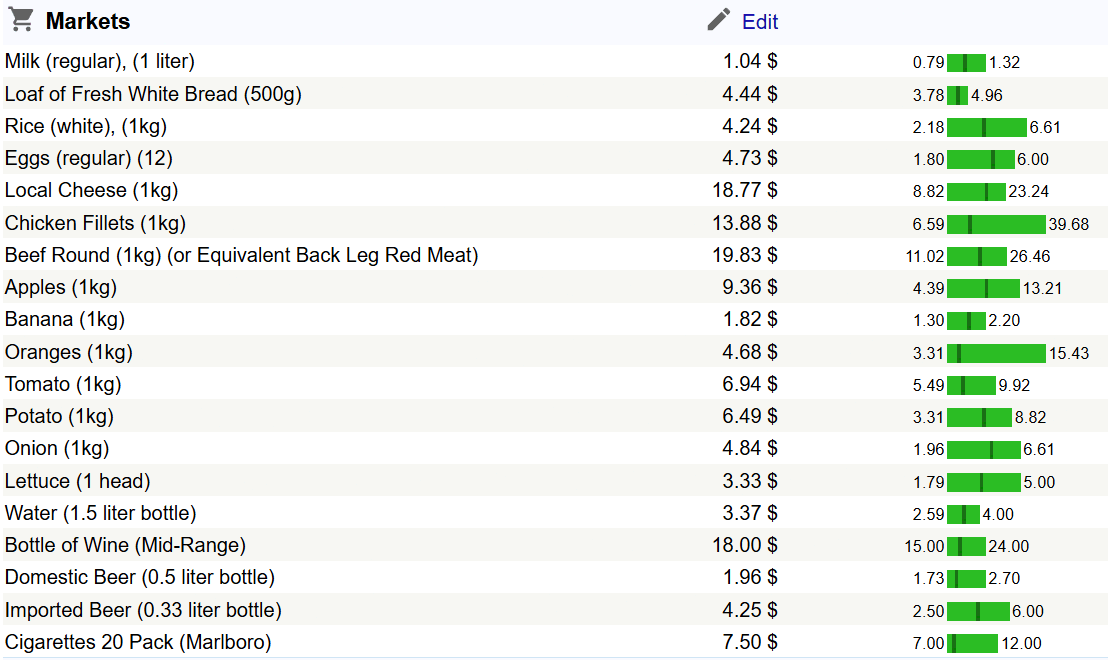
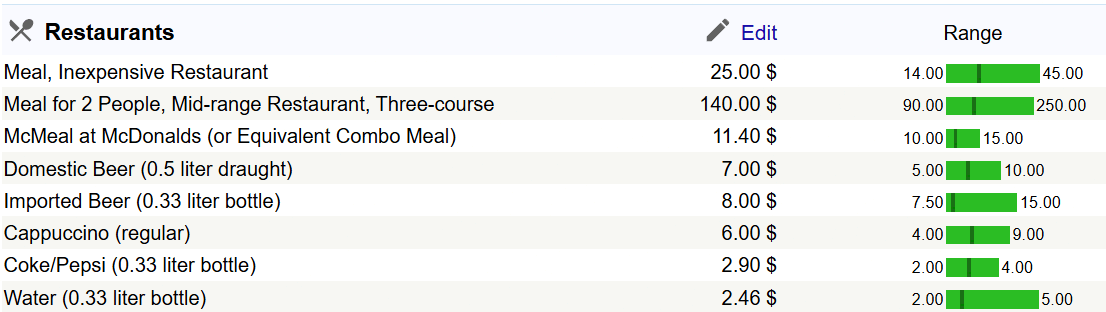
- Dining out: Inexpensive restaurant meals average $25–$30 per person, reflecting Charleston’s thriving food scene.
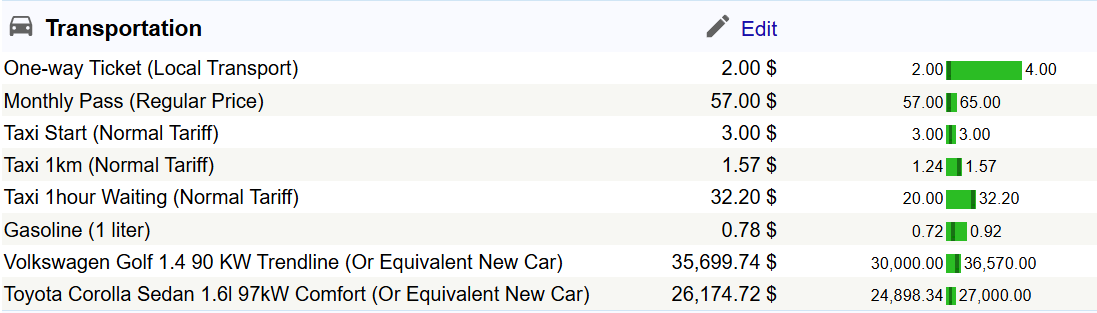
3. Transportation & Commuting
Charleston’s layout is a hybrid of walkable historic districts and sprawling suburban zones. Your transportation expenses largely depend on where you choose to live.
- Downtown residents can often walk or bike to many destinations. Parking can be limited and costly.
- Suburban residents (e.g. in Mount Pleasant, West Ashley, or Summerville) are more likely to rely on cars. Gas prices and auto insurance in Charleston tend to be moderate regionally.
- Public transit and biking infrastructure are expanding but still don’t yet rival more transit-oriented U.S. cities.
4. Healthcare, Education & Services
Charleston benefits from a strong healthcare and education ecosystem.
- MUSC Health (Medical University of South Carolina) is a major system in the area, offering high-quality care and specialist access.
- For families, Charleston offers a mix of public, private, and charter schools, plus higher education institutions such as the College of Charleston and The Citadel.
- Insurance, co-pays, and out-of-pocket medical costs are generally in line with U.S. averages, though specifics vary depending on employer plans.
5. Taxes & Job Market
One financial advantage for many residents is South Carolina’s relatively favorable tax climate.
- According to Avalara, the total sales tax rate in Charleston, South Carolina is 9.0% as of 2025. This includes state, county, and city taxes. The South Carolina state sales tax rate is 6.0%, while the Charleston local sales tax adds 1.0%, with the remaining percentage coming from county and regional taxes.
- Charleston’s economy has diversified, key industries include: technology (sometimes branded “Silicon Harbor”), healthcare, tourism, education, port & logistics, and real estate development.
- With rising remote work trends, Charleston is becoming more appealing to professionals who can decouple job location from where they choose to live.
6. Lifestyle Value: What You’re Paying For
A large part of Charleston’s premium is justified by what residents get in return.
- Beaches (Folly, Sullivan’s, Isle of Palms) are within easy reach.
- A robust event calendar, from the Spoleto Festival USA to farmers’ markets and historic home tours.
- Visual and cultural charm — cobblestone streets, pastel homes, preserved heritage.
- Strong sense of community and slower pace compared to dense urban centers.
The intangible benefits often make up for a higher cost of living in the minds of many Charleston locals.
Conclusion: Worth the Move?
Yes, but with caveats. Charleston is not cheap. Housing is expensive, and many everyday costs run above national averages. But if your priorities include walkability, coastal access, culture, and a distinctive lifestyle, Charleston offers a return on investment few places can match.
Categories
Recent Posts